2021
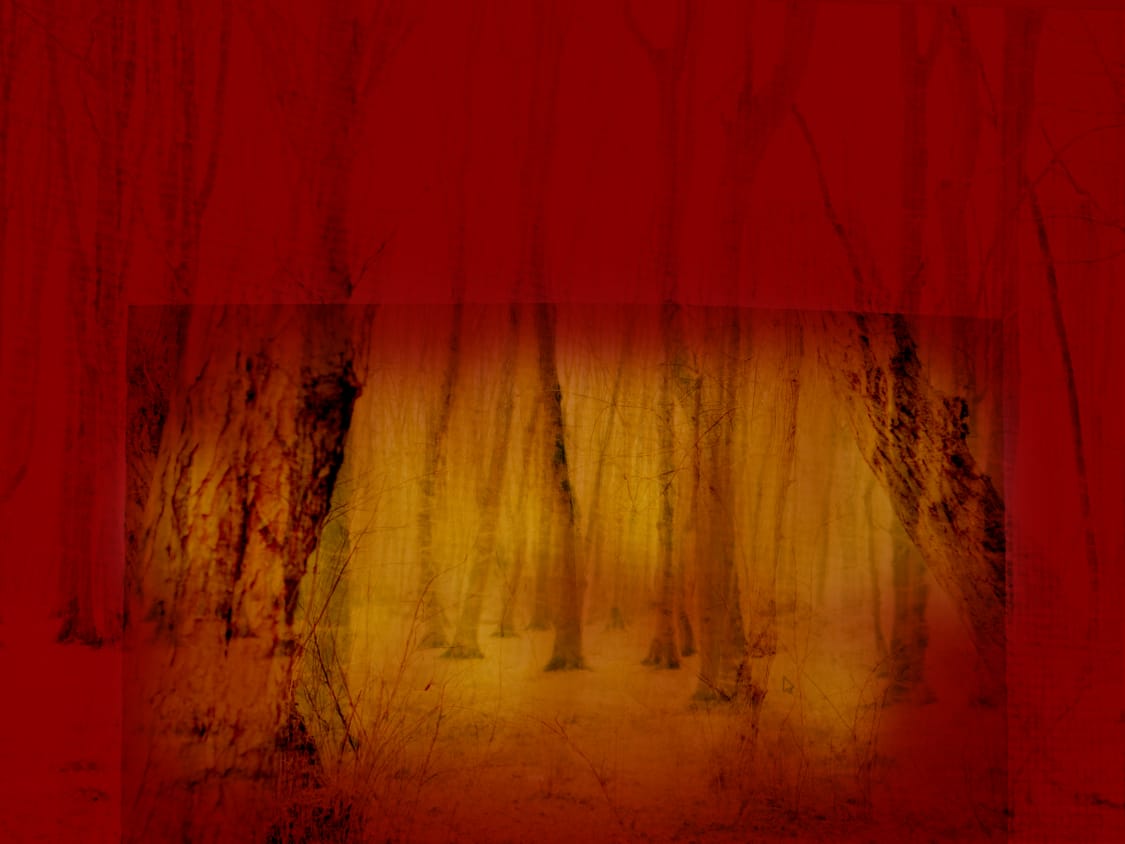
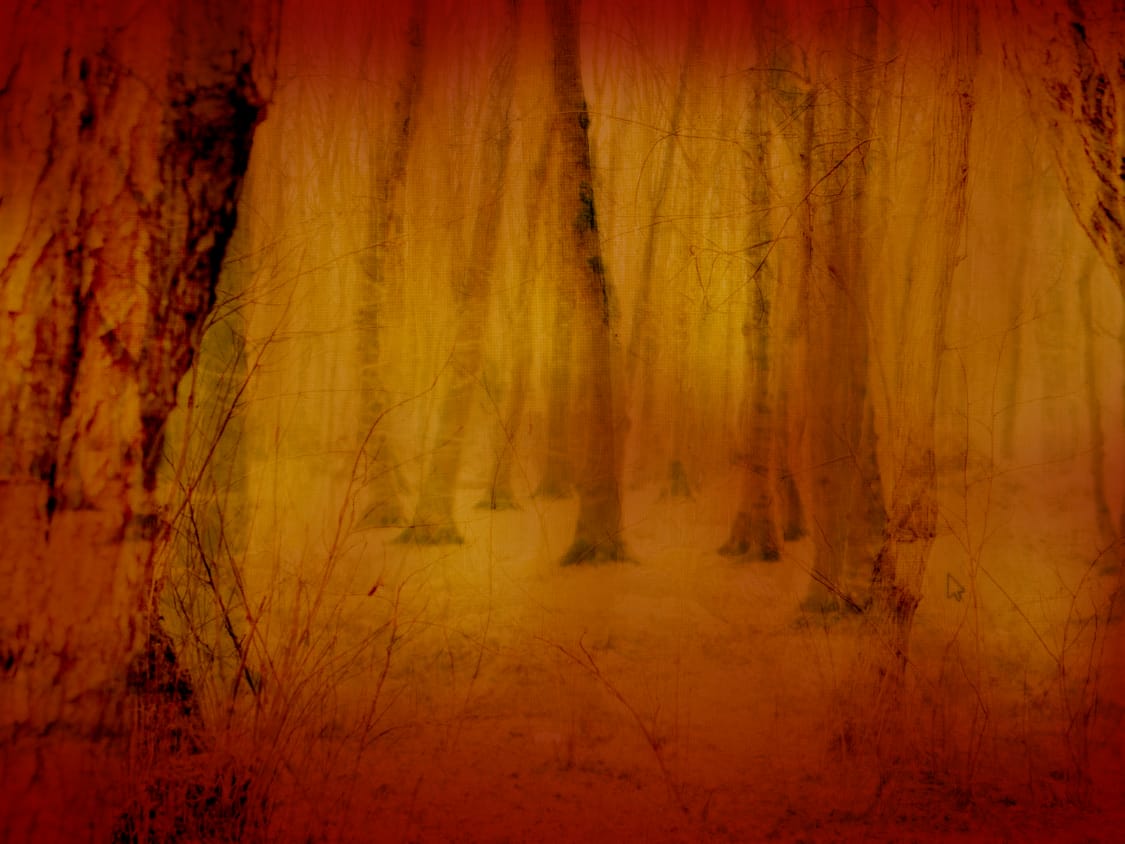
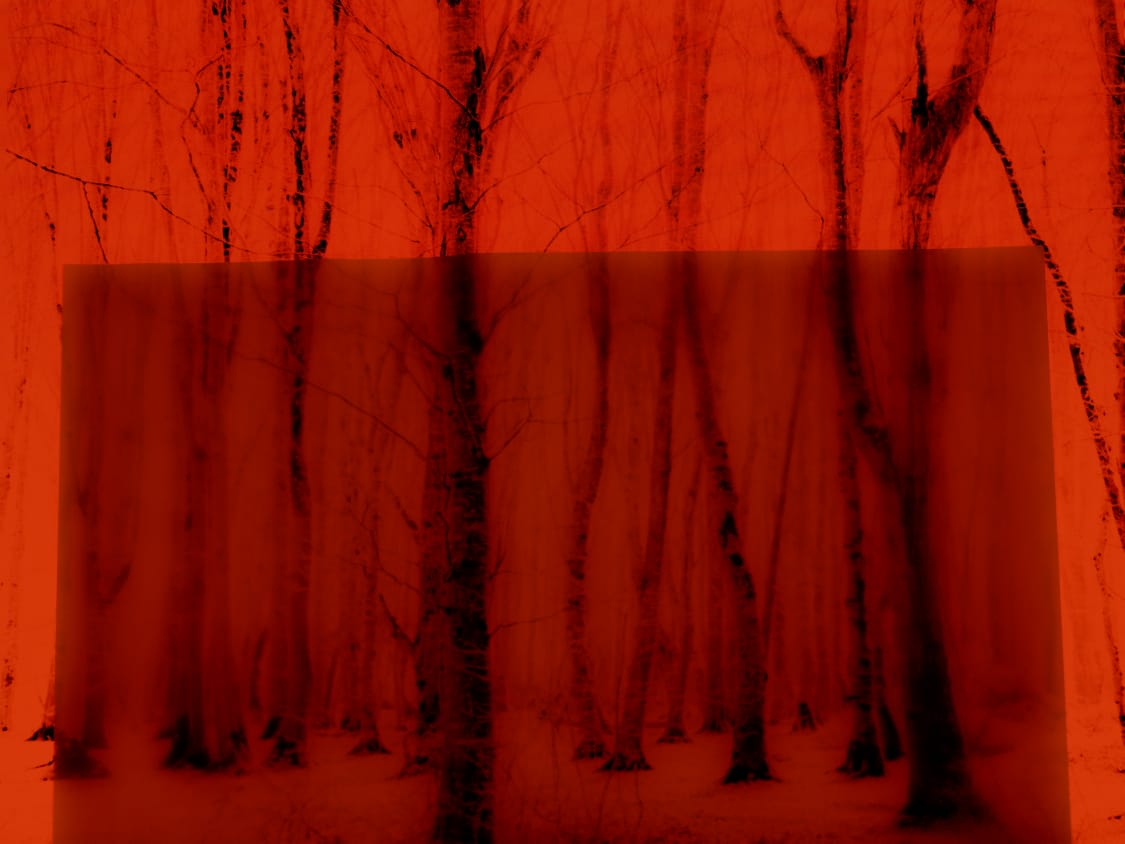
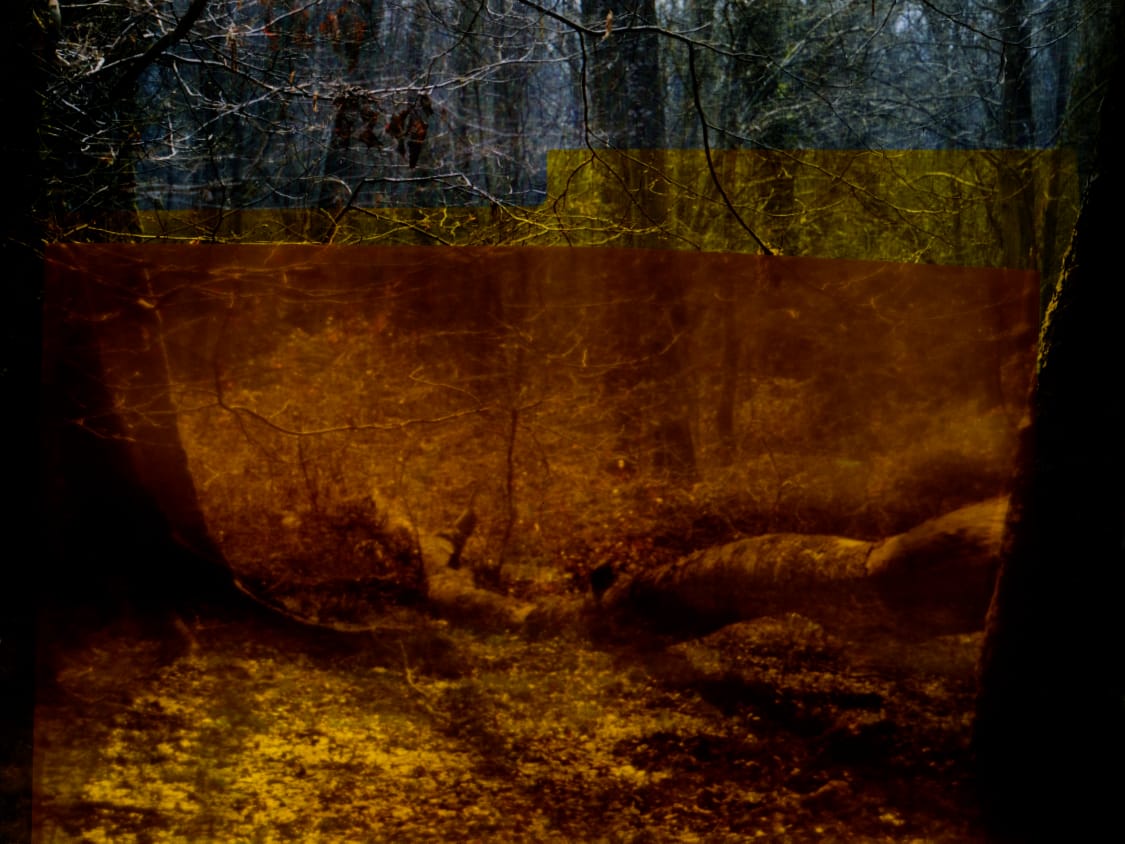
This series is photographed based on Beethoven’s Moonlight Sonata with digital double exposures, which has brought a kind of improvisation to the photographer. This collection includes two series of six photos, each photo sheet is 50 x 70 cm.
Moonlight Sonata is the name of Piano Sonata No. 14 of Beethoven’s solo piano work. The piece was completed in 1801 and was first performed by composer himself who was severely hearing impaired.
Beethoven dedicated the work to Countess Giulietta Guicciardi, a 16-year-old noblewoman who had been her student for a short time and had deep feelings for him.
Moonlight Sonata was structurally and stylistically remarkable in its time. The Moonlight Sonata features a dreamy first movement, a somewhat lively second movement, and a completely stormy final. The uproar at Moonlight’s final was so intense that several piano strings snapped during the first performance and got stuck in the hammers.
Arpeggio, or playing the notes of the same chord in succession, which also remains a common improvisational tool in the 21st century, can be heard in all three movements of the Moonlight Sonata, eventually creating the themes and motifs that form the foundation of the piece. The subtitle “fantasia Sonata quasi una” that is added to the work by the composer himself, reminds listeners that this piece, although technically a sonata, suggests an improvisational and fluid fantasy.




Statement:
I wish everything would end there in that eternal passion,
For, love is always full of felicity and despair.